Protecting Our Community from Hidden Landfill Risks
By Andrew Wigley, Principal Environmental Scientist
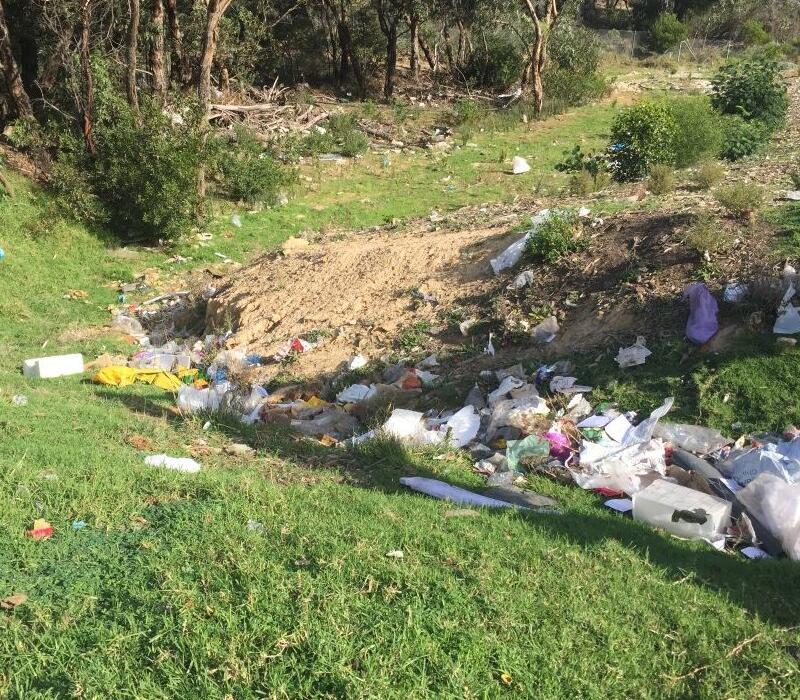
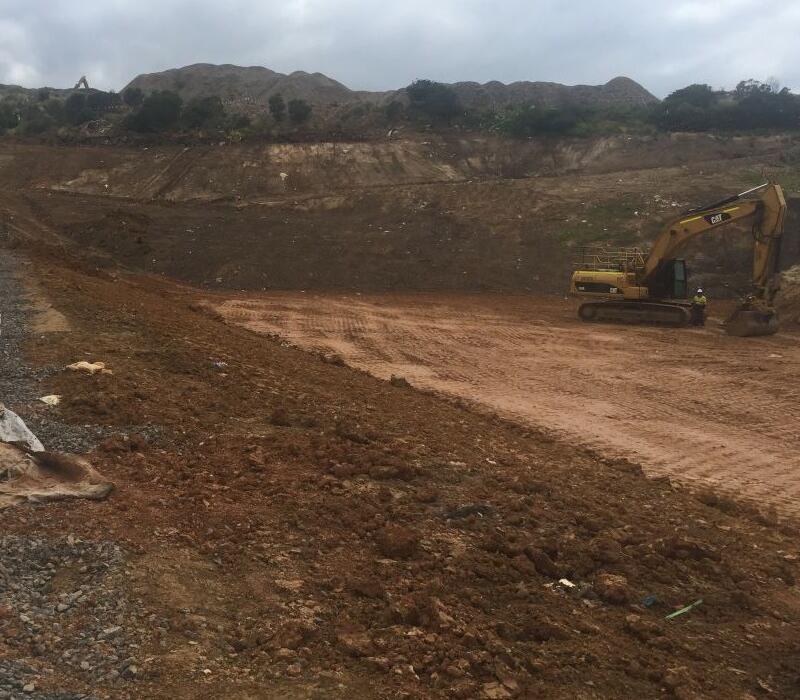
Even though a landfill may be “closed,” it doesn’t mean the risks disappear. Old landfill sites can still affect the environment and the health of nearby communities. That’s why councils across Victoria continue to monitor and manage these areas.
What’s at Stake
Landfill gas – particularly methane – from closed landfills can migrate underground and accumulate in buildings, posing risks of asphyxiation or explosion.
Planning for Development:
Councils need to ensure that any proposed development in close proximity to current or former landfills are assessed for risk and comply with standards such as the Best Practice Environmental Management – Sitting, Design, Operation and Rehabilitation of Landfills (Landfill BPEM).
Specifically, Councils are often required to impose a condition for a landfill gas risk assessment (LFGRA) as part of the planning permit process for any development within a 500m buffer zone of a former landfill.
Landfill Gas Risk Assessments are designed to identify potential gas migration pathways and determine if mitigation strategies are needed to ensure the new development is fit for purpose and does not pose a risk to human health or the environment.
On a broader scale, the Victorian Auditor General has highlighted the need for councils to work with the EPA and regional groups to identify closed landfills, assess their risks, and prioritize actions to address them.
How can we help?
A landfill gas risk assessment can vary in scope depending on the proximity to the landfill, information that may already be available (such as existing risk assessments) and the nature of a proposed development.
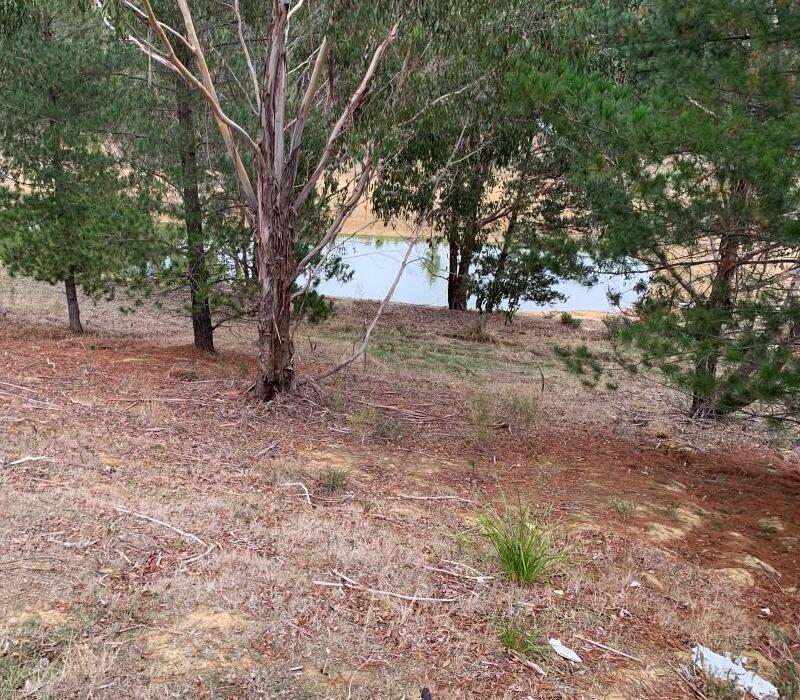
Initially a desktop review of available information is required, to review the landfill history, existing investigations and possible migration pathways. A site walkover is required to check for signs of gas migration like stressed vegetation and to identify potential pathways such as services trenches.
Usually at the same time we will monitor for landfill gas concentrations in services pits, over cracks in the landfill cap and nearby buildings if they can be accessed.
These steps help to determine the risk of gas migration to nearby properties and to determine necessary mitigation measures or the need for further investigations, such as an EPA Audit.
Closed landfills are part of our environmental legacy. By investigating and managing them properly, councils can protect both the environment and the people who live nearby.
At Landserv, we’re committed to helping communities stay safe, informed, and resilient.