
Helping our clients to comply with the Environment Protection Act, Contaminated Land
By Ryan Edwards, Principal Environmental Scientist, Landserv
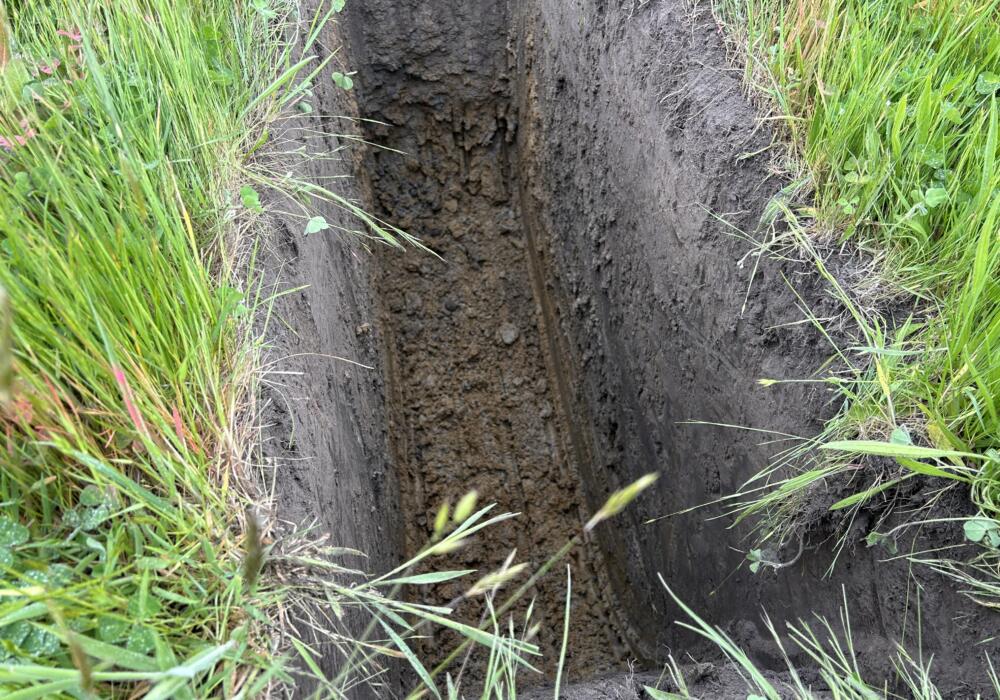
While installing landfill gas bores, our team at Landserv noticed signs that soil and groundwater may be contaminated. This doesn’t mean there’s an immediate danger, but it does mean further investigation is needed.
At this site, although the drilling was targeting potential ground gas from a landfill, our observations indicated hydrocarbon contamination, potentially from a former fuel depot on a neighbouring property.
The Environment Protection Act 2017 makes it clear that persons ‘in management or control’ of contaminated land have a duty to investigate and act. This duty applies even if there is potential for the contamination to have come from an off-site source [1].
What Happens Next
Our client has taken the first step towards compliance by engaging Landserv to carry out a Preliminary Site Investigation (PSI) as part of a Contaminated Land Assessment. This involves:
- Reviewing past reports and historical records.
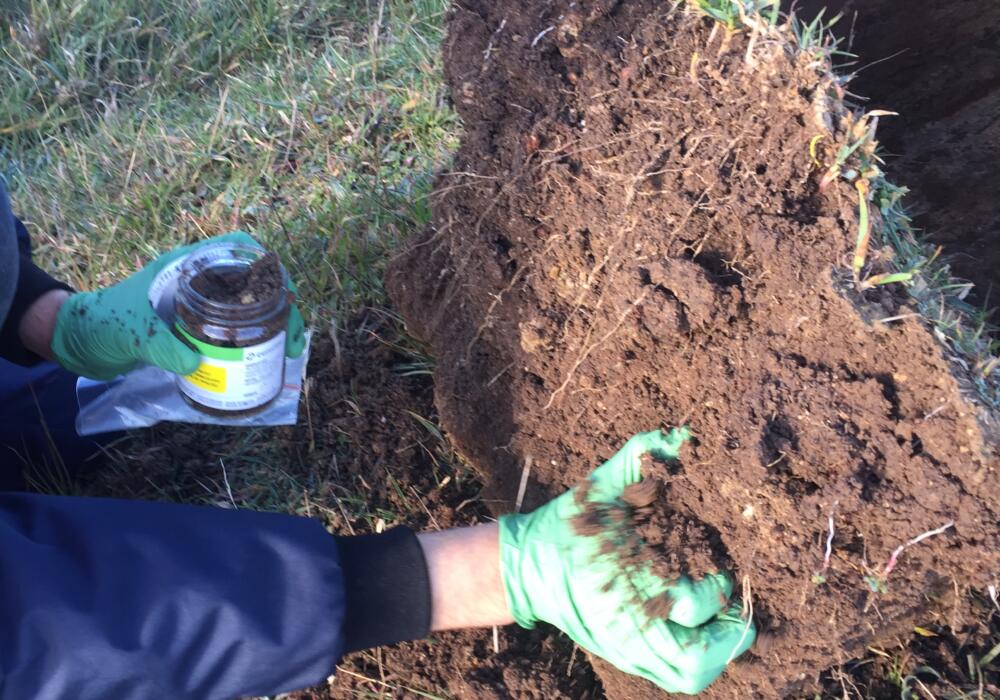
- Collecting soil and groundwater samples.
- Determining the extent of any soil contamination.
- Assessing whether ground water is affected.
- Identifying possible sources of contamination.
- Understanding whether neighbouring land may be contributing to the issue.
This process helps landowners make informed decisions and ensures they are proactive in meeting their obligations under the Act while protecting communities and the environment.
Working Together
At Landserv, we believe in transparency and collaboration. We offer to meet with our clients at no charge for the initial discussion — to outline investigation scopes and provide recommendations. We are also available to present findings to Company Directors or Audit and Risk Committees of Councils and land owner companies, to ensure that the risks of harm to human health and the environment are minimised so far as reasonably practicable.

[1] In some circumstances a person in management or control of land may be able to recover reasonable costs incurred in assessing and managing contamination against any person responsible for causing the contamination.