Contaminated Land Due Diligence: Before You Buy –
Are you buying land with an industrial, commercial, or agricultural history? What’s beneath the surface can make or break your development. Ensuring that you complete environmental due diligence before you commit to purchase protects your investment, your works program and your legal position. Here are key steps in completing due diligence prior to a potential property purchase:
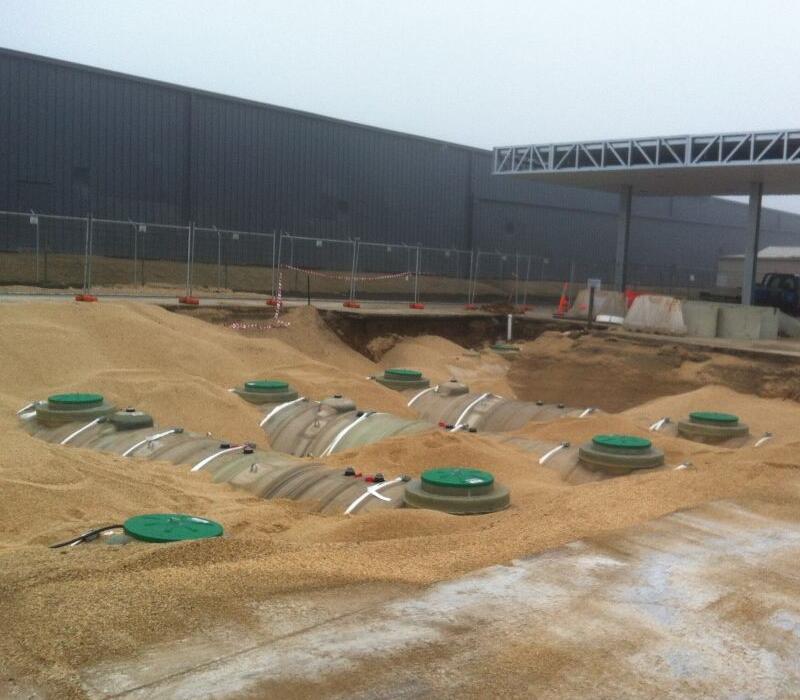
Review the site history – Understand what the land has been used for over time. Former site uses such as service stations, dry cleaners, and manufacturing sites all carry specific contamination risks that are not always visible from the surface and can have dramatic impact on suitability.
Complete a Phase 1 Environmental Site Assessment (ESA) – A desktop review of historical records, maps, aerial photography, and contamination databases is important to identify potential risks before any money is spent on a physical investigation.
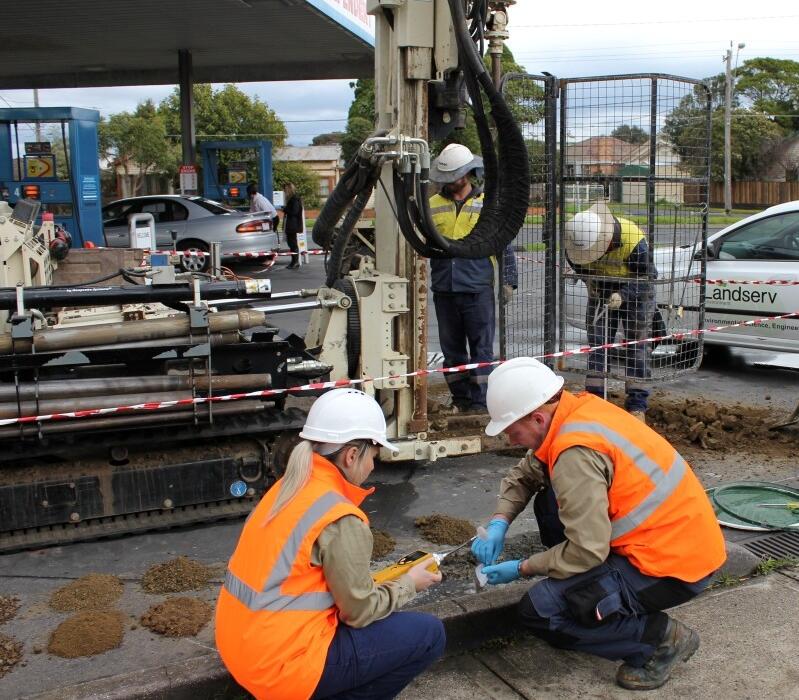
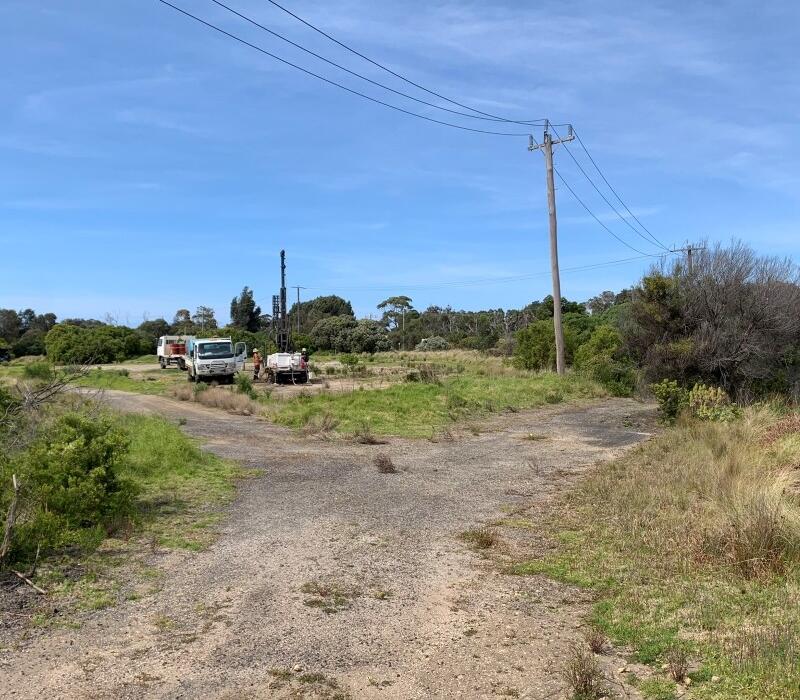
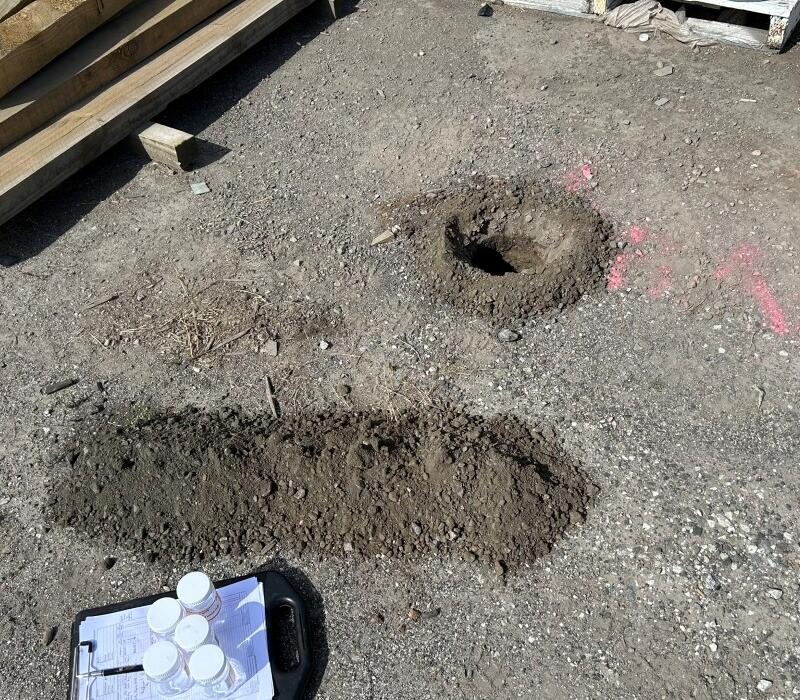
Complete a Phase 2 ESA (if there are any red flags) – Undertaking soil and groundwater sampling confirms whether contamination is present on site, how serious it is, and how far it extends.
Understand your regulatory obligations – Contaminated land in Victoria is governed by the Environment Protection Act 2017 (EP Act 2017). As part of the EP Act, the General Environmental Duty (GED) requires buyers and developers to proactively identify and manage contamination risks. This could take the form of assessment and / or remediation to ensure the site ends up suitable for its intended use. Getting an understanding of these obligations and potential regulatory requirements will help avoid costly surprises during either purchase or development works.
Quantify the costs – Get a realistic cost range before you finalise your feasibility. Having an understanding early on allows you to build in appropriate margins as well as using it as leverage during the purchase of the property.
Reflect findings in your contract – use the findings of the above assessments to apply legal advice within the context of the purchase. This could include price adjustments, vendor warranties, and indemnities. However, it is important that contamination (if any is present) is identified before signing. The later that contamination is discovered the fewer options available. A preliminary desktop Phase 1 ESA is a good starting point compared to the potential risk.
Contaminated land doesn’t have to be a deal breaker, but it does need to be understood before you commit to purchasing a property.
The correct due diligence early on is a fraction of the cost compared to if contamination is found later after purchase.